
Backhoe Loader Attachments
Equip your backhoe loader with Bobcat attachments to dig, break, lift and clean up faster, without bringing in another machine.
Attachments
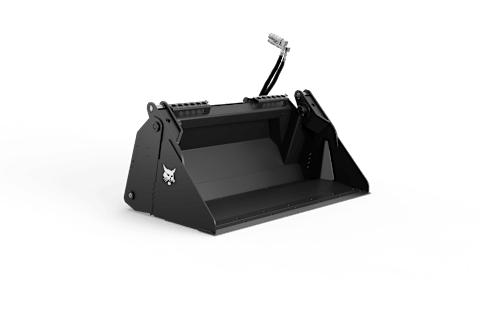
Bucket, Combination
Ideal for dozing, grappling, leveling, digging, loading and dumping applications.

Bucket, General Purpose
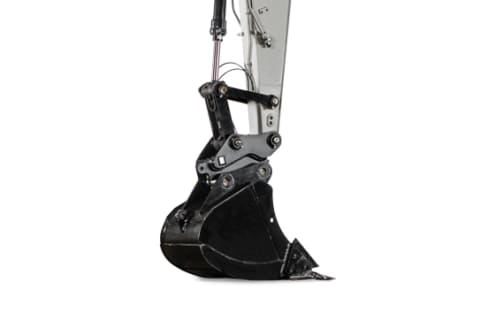
Heavy Duty Trenching Bucket

Hydraulic Breaker with Nail Point
Break through concrete, rock, and asphalt effortlessly with the powerful force of the hydraulic breaker.
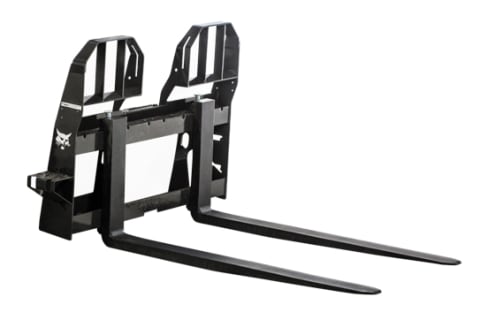
Pallet Fork
Move bulky, bagged or palletized material quickly and easily with the pallet fork attachment.
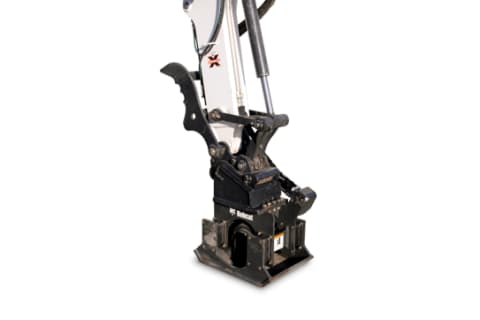
Heavy Duty Trenching Bucket
TRENCHING STRENGTH YOU CAN COUNT ON
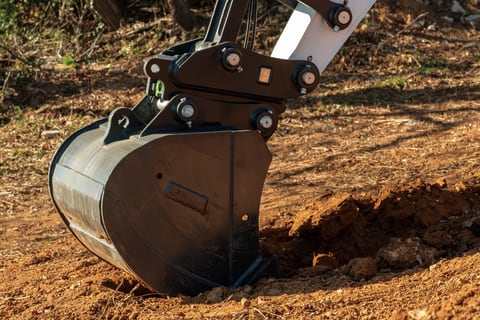
Heavy Duty Trenching Bucket
TRENCHING STRENGTH YOU CAN COUNT ON
When the ground fights back, this bucket doesn’t flinch. Heavy-duty trenching buckets help backhoe loaders dig efficiently, withstand demanding work, and deliver consistent trench results.
WHY BOBCAT ATTACHMENTS

Built for
Durability
Engineered with the highest quality standards and guaranteed to work with compatible equipment.

Local Dealer Support
Authorized local dealers provide trusted advice, parts, service, and
support.

Peace of Mind
Standard two-year warranty for hydraulic attachments, plus available extended warranty for select attachments.

Best Value
Competitive attachment pricing, plus available 0% financing and other limited-time special offers.

WARNING: This product can expose you to chemicals including engine exhaust (including diesel engine exhaust when equipped), lead and lead compounds, mineral oils, soots, phthalates, and carbon monoxide which are known to the State of California to cause cancer and birth defects or other reproductive harm. For more information go to www.P65Warnings.ca.gov.
Certain specification(s) are based on engineering calculations and are not actual measurements. Specification(s) are provided for comparison purposes only and are subject to change without notice. Specification(s) for your individual equipment will vary based on normal variations in design, manufacturing, operating conditions, and other factors.